






Sponsor Status
You must be a Canadian citizen, permanent resident, or registered Indian under the Canadian Indian Act, and at least 18 years old. PRs must reside in Canada to sponsor; citizens may sponsor from abroad if planning to return.

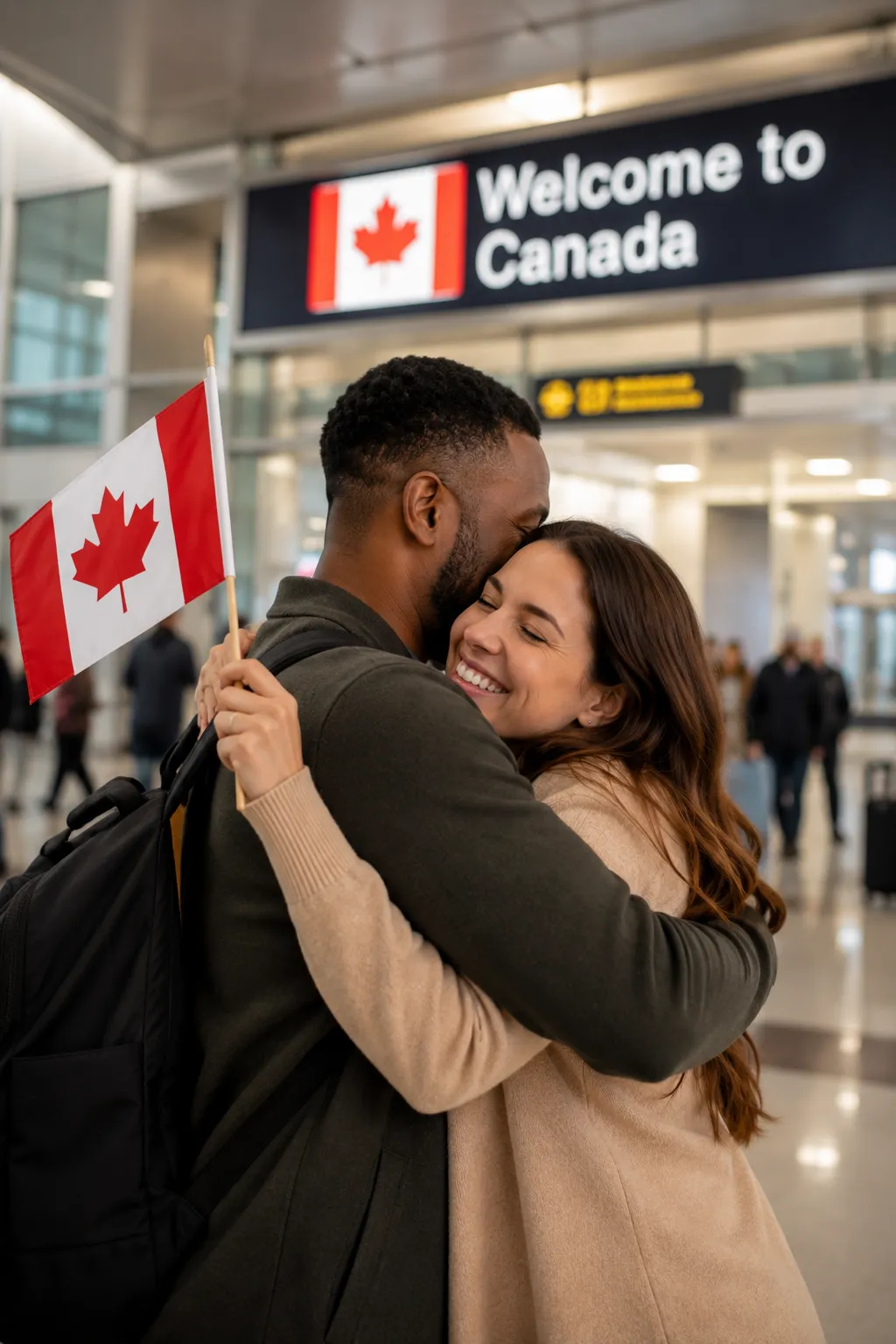
The Canadian government allows citizens and permanent residents to sponsor close family members through the Family Class Sponsorship program. Whether it’s your spouse, common-law partner, parents, grandparents, or dependent children — this pathway is built to keep families together. Introduced under Canada’s commitment to family reunification, it remains one of the most trusted routes to obtain permanent residence for loved ones living abroad. We have a simple, supportive process to guide you through your sponsorship journey in Canada.
For Canadian citizens or PRs sponsoring a legally married spouse, common-law partner, or conjugal partner. Requires proof of a genuine relationship.
Bring your parents or grandparents to Canada permanently. Requires meeting Minimum Necessary Income (MNI) for 3 consecutive tax years.
Sponsor biological or adopted children under 22 who are unmarried and not in a common-law relationship. No income requirement in most cases.
Verify sponsor status, age, residency, and financial requirements before applying.
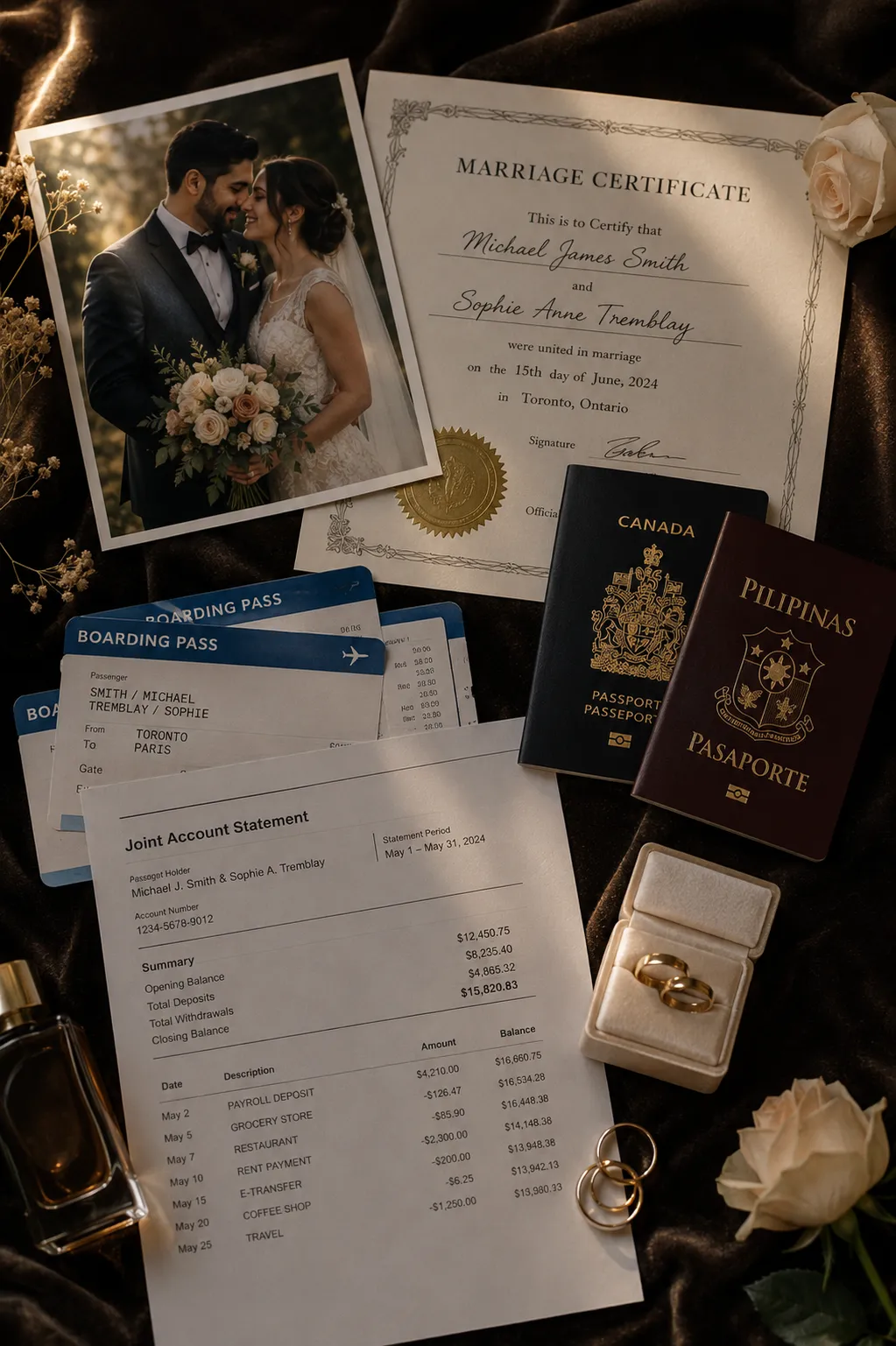
Marriage certificates, photos, joint accounts, communication history, and affidavits.
Sponsor application (IMM 1344) plus applicant forms and statutory declarations.
Upload everything to the IRCC portal with fees ($1,205 spousal / $1,080 PGP).
IRCC verifies the sponsor meets all obligations before reviewing the sponsored person.
Sponsored person completes biometrics and a panel-physician medical exam.
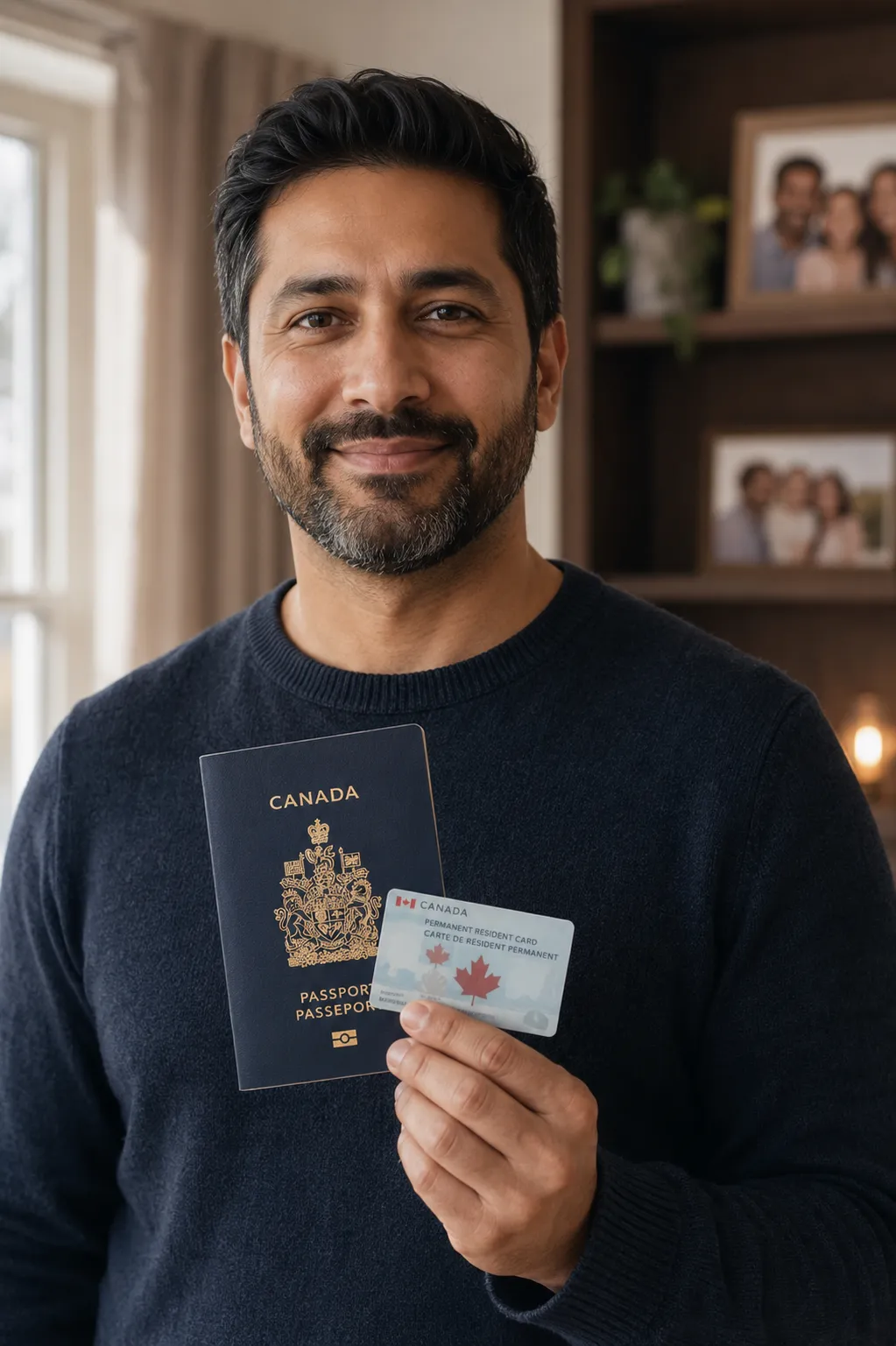
Your sponsored loved one lands in Canada as a permanent resident.
Family and spouse sponsorship pathways help reunite loved ones in Canada.
Eligibility depends on your relationship status, sponsorship requirements
and supporting documentation.
Family and spouse sponsorship pathways help reunite loved ones in Canada. Eligibility depends on your relationship status, sponsorship requirements and supporting documentation.
Step 1
You must be a Canadian citizen, permanent resident, or registered Indian under the Canadian Indian Act, and at least 18 years old. Permanent residents must be physically residing in Canada to sponsor. Citizens may sponsor a spouse or children from abroad if they plan to return to Canada once the application is approved.
Step 2
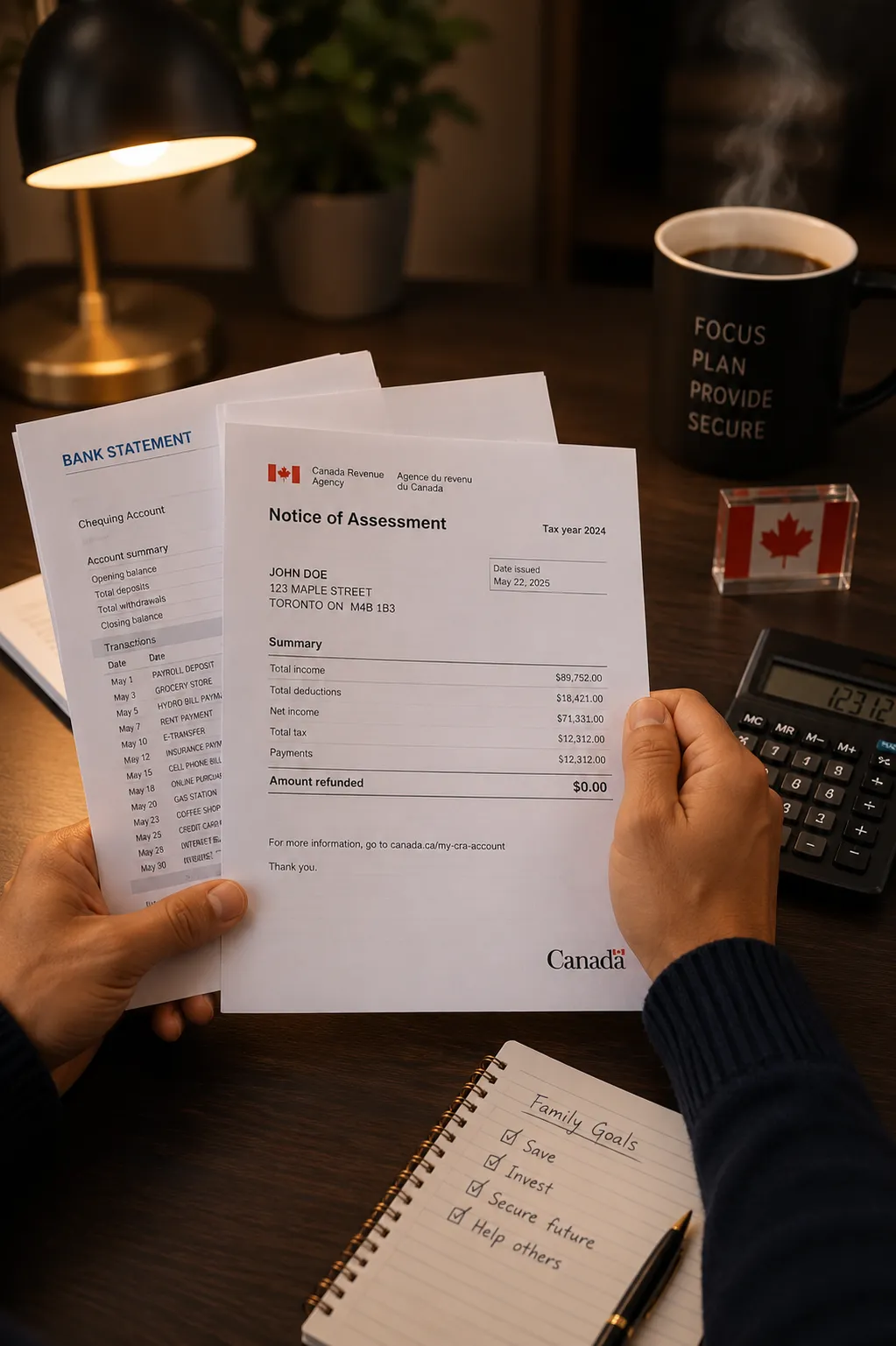
For spousal and dependent child sponsorship, there is no fixed income requirement — but you must show you can support your family member. For Parents & Grandparents sponsorship, you must meet the Minimum Necessary Income (MNI) for three consecutive tax years, proven through CRA Notices of Assessment.
Step 3
For spouse and partner sponsorship, you must demonstrate a genuine relationship — not one entered into for immigration purposes. Acceptable proof includes marriage certificates, evidence of cohabitation, joint finances, photographs, travel history, and ongoing communication records between both partners.
Step 4
Sponsors sign a binding undertaking to financially support the sponsored person and repay any social assistance they receive. Undertaking periods vary: 3 years for a spouse or partner, 10 years for a dependent child, and 20 years for parents or grandparents (10 years in Quebec).
Secure your consultation today to begin your personalized roadmap.
Simple steps to start your journey toward Canadian permanent residency. Before you apply for family or spouse sponsorship,
make sure you meet the eligibility criteria across relationship authenticity, financial ability to support, and residency obligations.
You must be a Canadian citizen, permanent resident, or registered Indian under the Canadian Indian Act, and at least 18 years old. PRs must reside in Canada to sponsor; citizens may sponsor from abroad if planning to return.
No fixed income required for spouse or dependent child sponsorship — just proof you can provide support. For Parents & Grandparents, you must meet the Minimum Necessary Income (MNI) for three consecutive tax years.
For spouse and partner cases, you must demonstrate a genuine relationship — not entered into for immigration. Acceptable proof includes marriage certificates, cohabitation evidence, joint finances, and communication records.
Sponsors sign a binding undertaking to financially support the sponsored person and repay any social assistance received. Periods vary: 3 years for a spouse, 10 years for a child, 20 years for parents or grandparents.
Immigration frameworks are in a state of constant flux. What was standard last year
is often obsolete today. We provide the technical oversight and regulatory intelligence
required to navigate these shifts with absolute certainty.
Immigration frameworks are in a state of constant flux. What was standard last year is often obsolete today. We provide the technical oversight and regulatory intelligence required to navigate these shifts with absolute certainty.